
The power of Ajna chakra
Whenever you hear about someone having a sixth sense, it is the Ajna chakra we are referring to, seeing beyond words, actions and thoughts. Think about it also as a personal inner teacher, that leads us toward clarity and meaning in our everyday life. The third eye is more than just the center of intuition; it’s a portal to a reality where the spiritual and physical merge into one, understanding that we are part of something bigger and beautiful, something that transcends the ordinary.
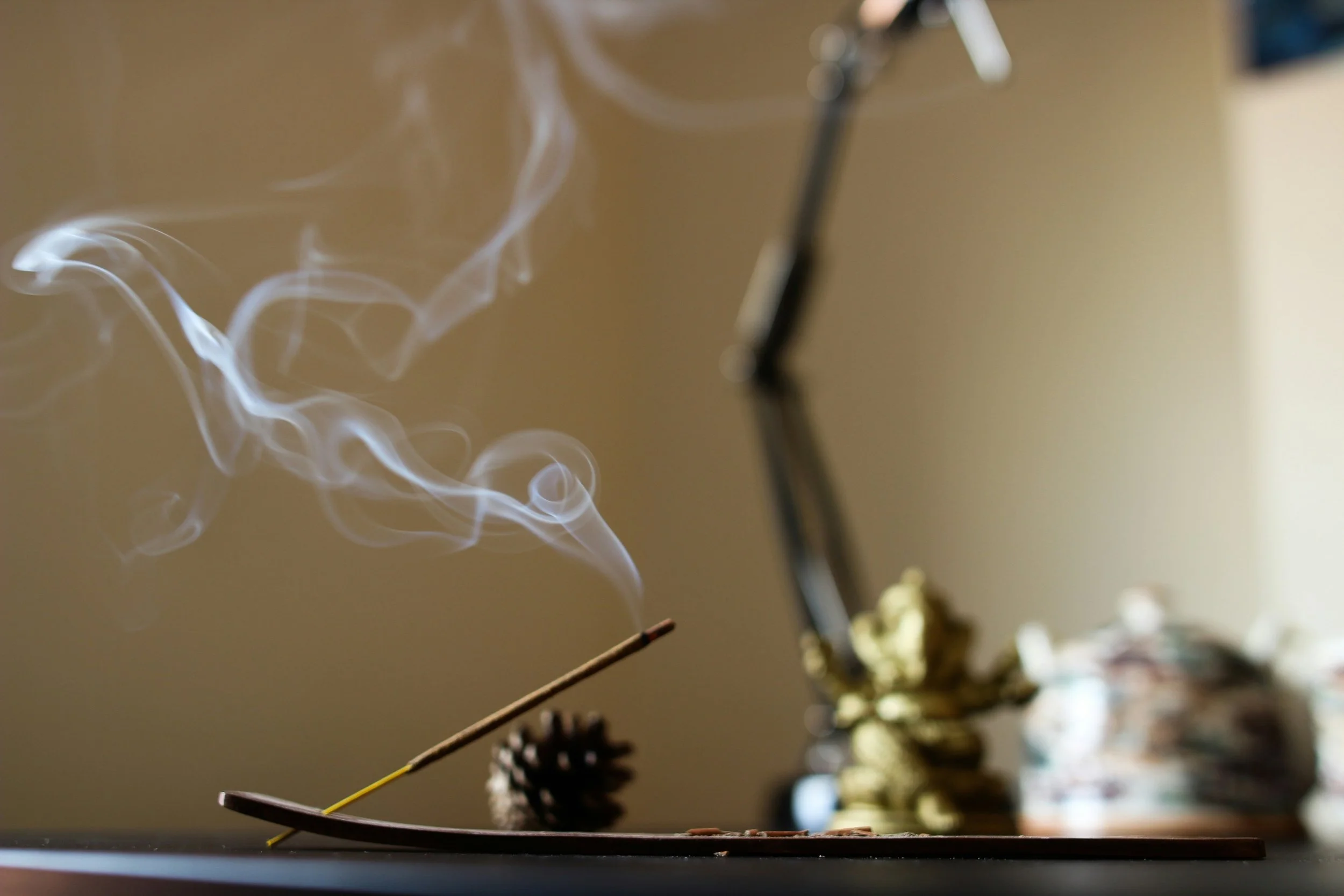
Jnana Yoga explained or unlocking the path to wisdom
The word jñāna in Sanskrit means attaining knowledge of the true nature of reality, an exploration inwards to understand your essence beyond surface thoughts, feelings, and ego, like peeling the layers of an onion, with our self as the core, linked or connected to a higher Self in the universe. Learning and acquiring knowledge becomes an instrument to come closer to the truth and the divine essence inherent in all beings.
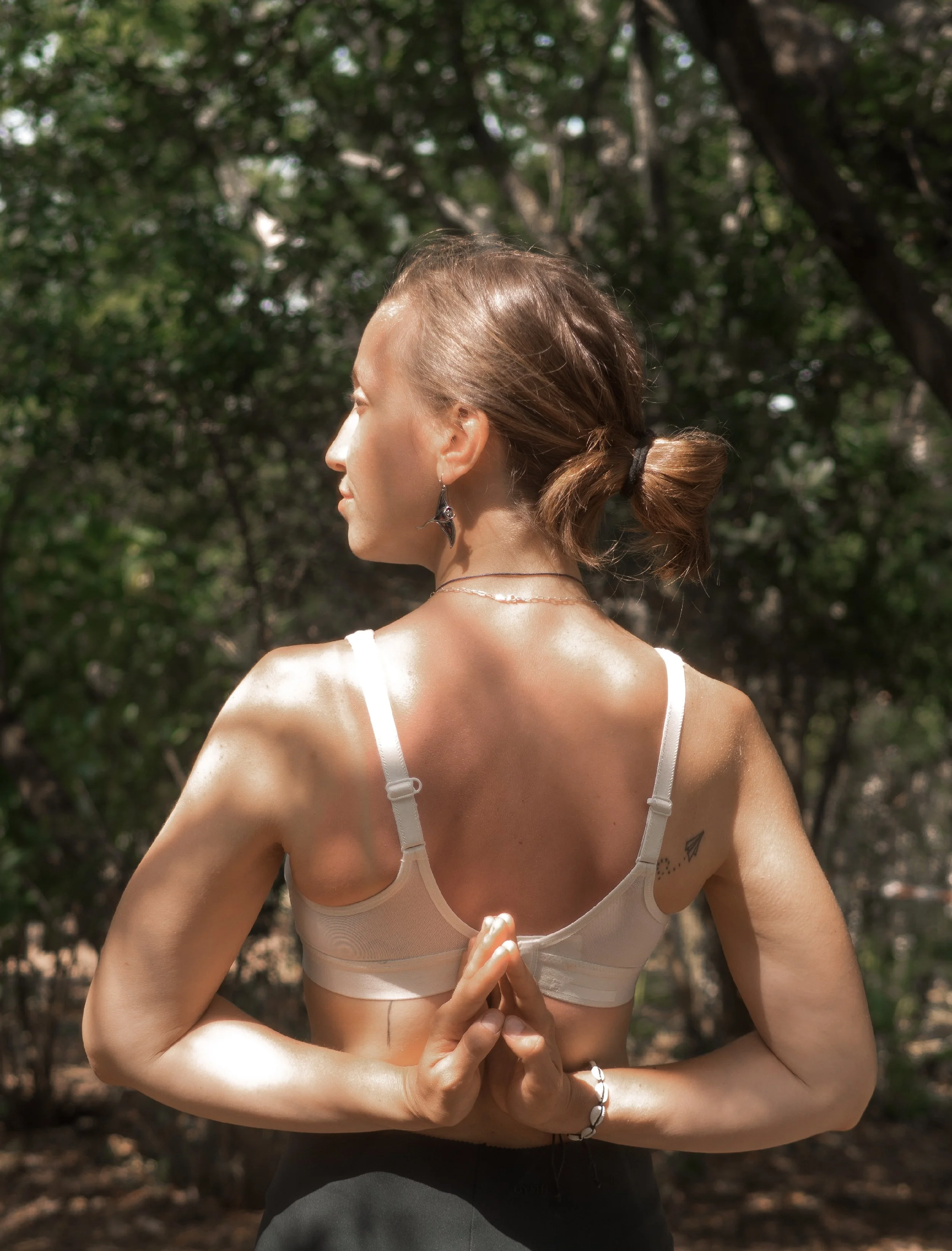
Spring season in Yin Yoga - main element, organs and emotions
In Traditional Chinese Medicine, Spring is a season of rebirth and growth, a season everyone is longing and waiting for, after the heavy depth and coldness of winter. However, it is also a season of transitions and changes, which bring a lot of instability and uncertainty that require a sudden adaptation and flexibility. By understanding the qualities of Spring and following TCM’s recommendations for a harmonious life, we can tap into the season’s energy and wisdom to enhance physical, emotional, and spiritual well-being.

Best time for your Yoga routine
What is the best time for your Yoga practice? Is it worth building your Yoga practice routine around the time you are having most of your energy? How effective is having a Yoga routine or schedule?

Winter and Yin practices - main element, organs and emotions
Stagnation, laziness or a general heaviness in moving and thinking are downsides of this winter period. The death of nature around us as well as lack of stimulation and excitement, in comparison to the rest of the seasons, make one prone to feelings of loneliness, depression or isolation. However, it doesn’t have to be like this, if we can mindfully switch this perspective into allowing more space and dedication for more inner work, connecting to ourselves more and finding the necessary time to do the healing.

Autumn season and Yin Yoga- meridians and postures
Autumn season represents the transition between Yang and Yin, from the expansive and solar energy of summer, to the more introspective and slow one of autumn and later winter. Summer energy might be the best season to juggle many things at the same time, but Autumn is definitely the time to harvest the fruits of our actions and also narrow our focus to one thing at a time, finding a balance between doing and resting.

About Integrity
Integrity is essential to all practitioners of Yoga because it creates a foundation of deep honesty upon which a practice can best be built. Moreover, integrity is fully expressed in the relation with oneself, in the way we honor commitments to ourselves, take time to be considerate of our actions, and represent our practice also outside the Yoga class.

Tension vs Compression in YOGA
Yoga is teaching us to practice ahimsa (non-violence) in our practice, to meet tension with kindness, respect the capacity of our bones, and help find our own intention (optimal health) and personal alignment by shaping the poses into our bodies and not the other way round.
Subscribe to my newsletter