
Trauma-informed Yoga in today's world
Yoga can support trauma healing by helping students reconnect with their bodies through asana, breathwork and meditation. If people start to become more attuned to their inner sensations, they could build more tolerance for physical experiences and develop healthier responses.
Exploring Savasana
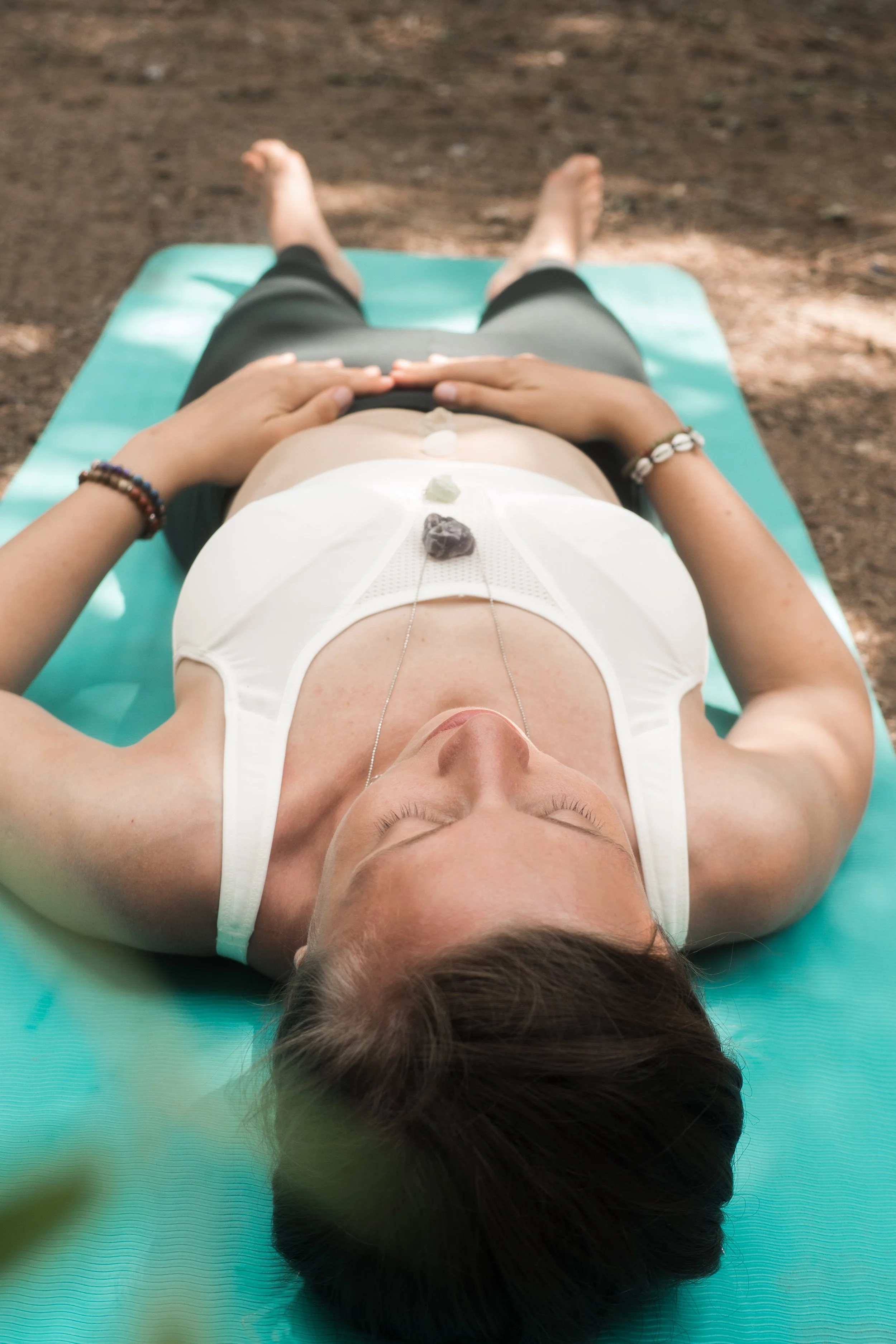
Savasana, meant to represent a surrendering and grounding practice, incorporated in all styles of Yoga, is considered by many as the hardest pose, although it implies total stillness and it looks easy from the outside. That is because relaxation is not something that appears on demand, it is something that can or may not happen. Often, the 5-10 minutes of Savasana in the end of the class are meant to be as a conclusion of the class, as if the purpose of all the postures would be to prepare the body to be able to sit still and rest and in the end, to be able to meditate beyond any physical sensation or discomfort.
The REBOUND feeling in YIN YOGA - what it is and how we can experience it
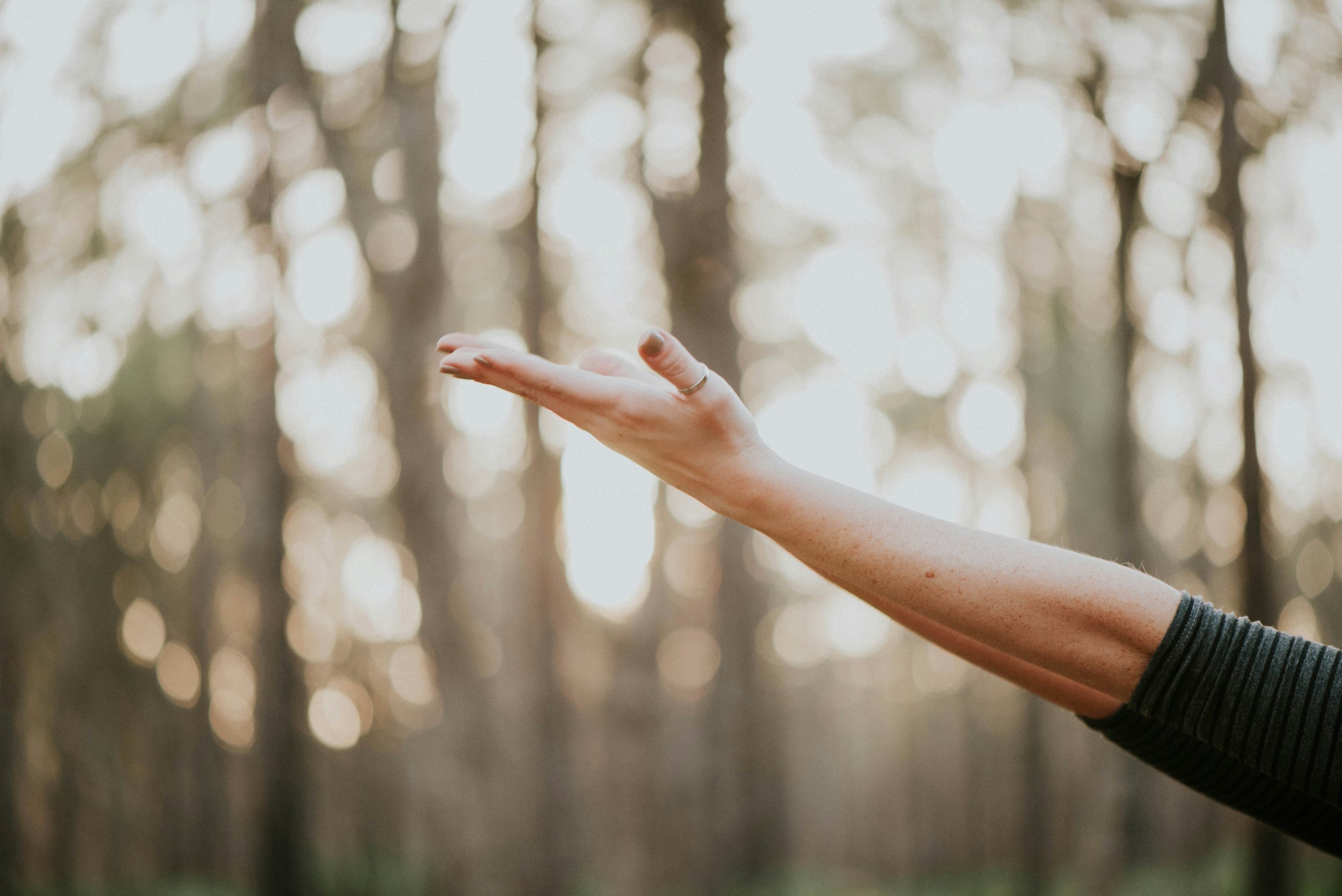
This sensation in the body of both fragility yet flowing energy is often referred to as the rebound effect or the echo of the pose, a bridge between poses that carries forward their resonance and that can last from one minute to as long as it feels good.
Yoga for anxiety and panic attacks
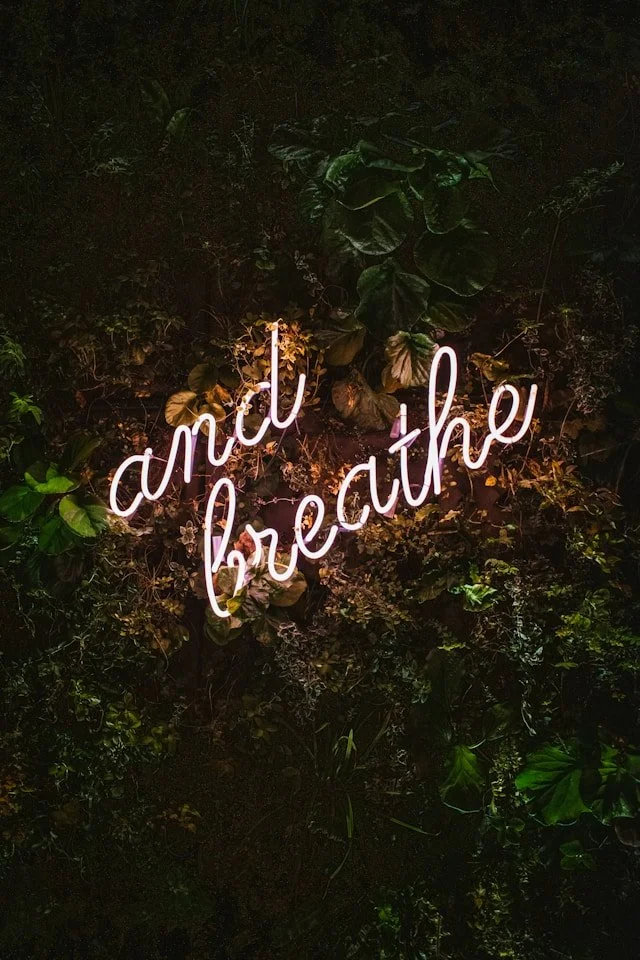
The relation between the breath and the nervous system goes both ways. Just as emotions can disrupt the breathing, so changing our style of breathing can change our emotions. The way we are breathing is often involuntary and taken for granted but it can be easily grasped and voluntarily controlled. During times of panic, relaxed, controlled breathing will give us immediate access to the nervous system. This means that by changing our breathing, we can potentially change our relation to tension.
Subscribe to my newsletter