
Yin Yoga and Summer season - meridians and postures
In Yin Yoga, summer's association with the Fire element and its related Heart and Small Intestine meridians can be addressed through poses that open the chest and heart and promote grounding, such as Thread the Needle, Twisted Child’s Pose, Open and Closed Heart, Banana or Crescent Moon pose and Melting Heart. These poses, when held for extended durations can help with improving digestion and calming the fire of the heart.

Shadow work in Yoga
The deeper we go into all the layers of a Yoga journey, the more we are bound to be confronted with both our light and shadow aspects of ourselves, a true rollercoaster of inner experiences. Like the relation between Yin and Yang, light and shadow, day and night, so our relation to life and Yoga can change or incorporate a duality, between idealization and disillusionment.
Trauma-informed Yoga in today's world
Yoga can support trauma healing by helping students reconnect with their bodies through asana, breathwork and meditation. If people start to become more attuned to their inner sensations, they could build more tolerance for physical experiences and develop healthier responses.

Where do we store tension in the body
More than just excessive physical exercise or bad posture, negative emotional experiences can also impact several areas of the body and cause muscular tension. Recognizing the connection between emotional and physical health is the first step toward releasing stress and achieving greater well-being in both body and mind.
But where do we usually store tension in the body and which areas are more common to experience tightness, tension and discomfort and why?
Yin Yoga and Spring season - meridians and postures
Our Western way of living, full of overstimulation can impact in a negative way the Qi/energy of both the liver and the gallbladder. When the liver and the gallbladder are imbalanced, one might experience high levels of stress, frustration, anger. Balancing the liver and gallbladder Qi can help cultivate calm, patience, a greater ability to deal with the day-to-day stress and to express oneself more freely and creatively.
Exploring Savasana
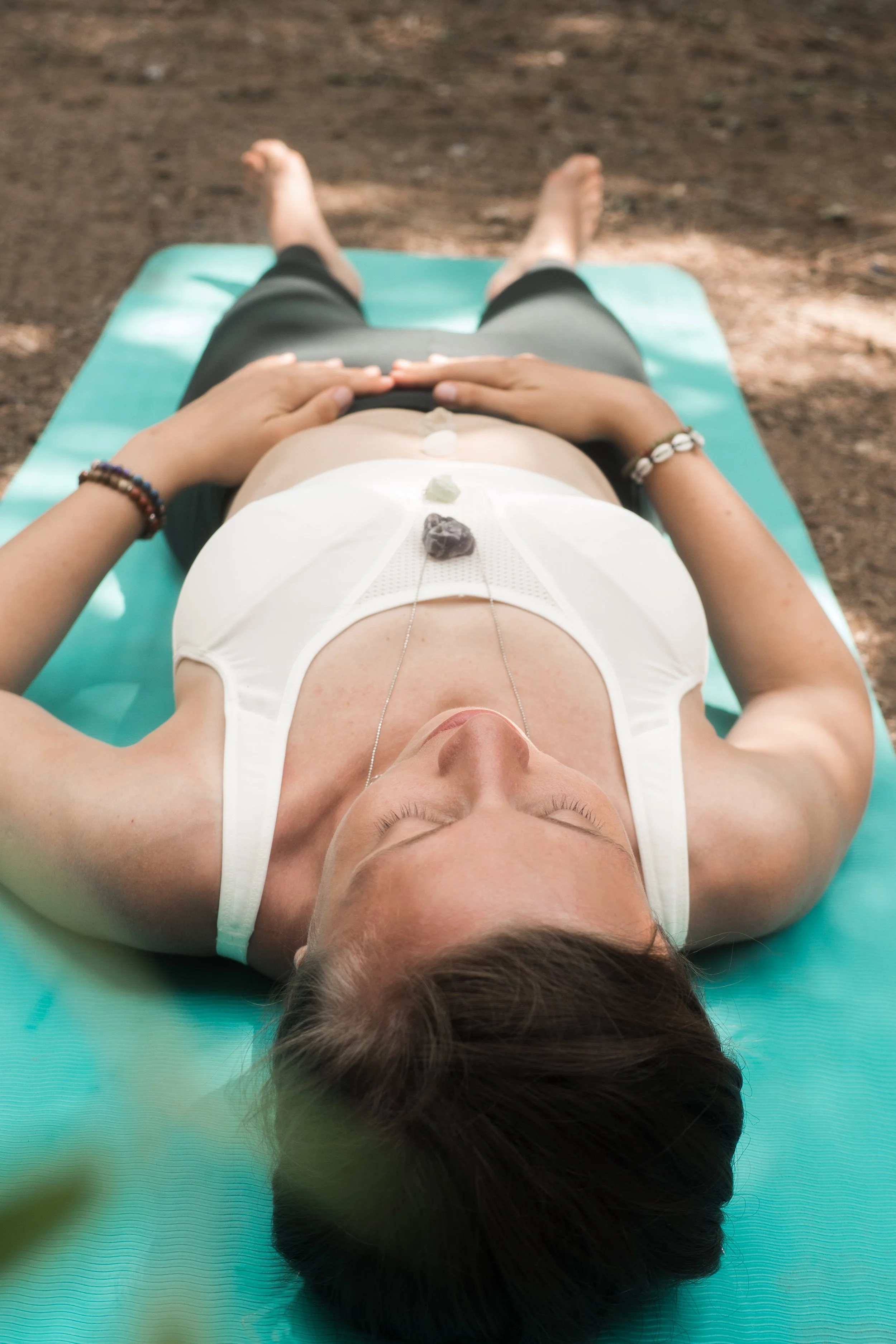
Savasana, meant to represent a surrendering and grounding practice, incorporated in all styles of Yoga, is considered by many as the hardest pose, although it implies total stillness and it looks easy from the outside. That is because relaxation is not something that appears on demand, it is something that can or may not happen. Often, the 5-10 minutes of Savasana in the end of the class are meant to be as a conclusion of the class, as if the purpose of all the postures would be to prepare the body to be able to sit still and rest and in the end, to be able to meditate beyond any physical sensation or discomfort.

Autumn season and Yin Yoga- meridians and postures
Autumn season represents the transition between Yang and Yin, from the expansive and solar energy of summer, to the more introspective and slow one of autumn and later winter. Summer energy might be the best season to juggle many things at the same time, but Autumn is definitely the time to harvest the fruits of our actions and also narrow our focus to one thing at a time, finding a balance between doing and resting.
Yin practices and Autumn season - element, organs and emotions
An important component to autumn is the feeling of letting go, associated also with this period of acute changes. Autumn is a wonderful time to reflect on what is no longer needed and to let go of what no longer serves us. This can translate into something big like letting go of a person, a home or a situation, but can also refer to letting go of a belief, way of living or material possessions for instance. It's natural for us as humans to resist change or uncertainty, but once we understand how life itself is made entirely of change and uncertainty, then we might come to an understanding and acceptance of this in the long run and offer space for new beginnings and growth.

The importance of the present moment
When you get those blissful pauses in your practice, let yourself settle instead of anticipating the next cue. Take your time and when it gets hard, notice how your mind reacts. Notice the miracle of breath flowing in and out. Notice what the mind says, how it talks to you, and just like in your meditation practice, gently guide it back to the body and breath.

Working with the HARA in Yoga
Learning to tap into this life force, activate our Hara centre during our Yoga practice, can strengthen our energy, presence, vitality as well as create mental well-being, deeper awareness, a smoother connection to the breath, better emotional self-regulation and last but not least, a better quality of sleep.
Subscribe to my newsletter